As the push toward sustainability intensifies, you’ve likely seen words like biodegradable, compostable, and oxo-degradable printed across packaging, shopping bags, or food containers. While they may all sound eco-friendly, they actually refer to very different materials, degradation processes, and environmental impacts.
Let’s break down what each of these terms means and why it’s important to know the distinction—especially if you’re a business dealing in eco-products.
🌱 What Does Biodegradable Really Mean?
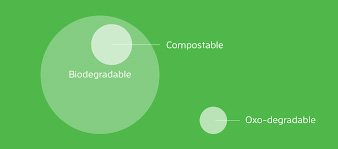
Biodegradable materials are those that naturally break down over time with the help of microorganisms such as bacteria, fungi, or algae.
✅ Key Points:
- These materials eventually turn into water, carbon dioxide, and biomass.
- However, there’s no set timeline—some “biodegradable” items may take years to degrade.
- Some may still leave microplastics or toxic residues depending on their base material.
⚠️ Note: Many plastic products claim to be biodegradable but only degrade partially under ideal conditions like heat and humidity.
🌿 What Does Compostable Mean?
Compostable products not only break down, but do so in a controlled environment, turning into organic matter that benefits the soil.
✅ Key Points:
- Must completely decompose without leaving toxic waste.
- Usually break down within 90–180 days under industrial composting conditions.
- Must comply with international standards like EN 13432 or ASTM D6400.
✔️ Examples include: PLA and PBAT-based compostable bags, sugarcane bagasse tableware, and areca palm leaf products.
🧪 What Is Oxo-Degradable?
Oxo-degradable plastics are traditional plastics mixed with chemical additives that accelerate fragmentation when exposed to sunlight or heat.
⚠️ Important Considerations:
- They don’t fully biodegrade; instead, they break into microplastics.
- These microplastics are harmful to soil, marine life, and ecosystems.
- The EU and UAE have banned oxo-degradable products due to their misleading environmental claims.
❌ Example: D2W plastic bags are often promoted as eco-friendly but do not meet compostable standards.
🔍 At a Glance: Key Differences
| Feature | Biodegradable | Compostable | Oxo-Degradable |
| Breakdown Method | Natural microbes | Microbes + composting | Sunlight + chemical additives |
| Timeframe | Varies (months–years) | 90–180 days (industrial) | 6–24 months |
| Leaves microplastics? | Sometimes | No | Yes |
| Soil-safe end product? | Not always | Yes | No |
| Regulated by standards? | Rarely | Yes (EN, ASTM, ISO) | No |
| Accepted in eco markets? | Limited | Widely accepted | Banned in many countries |
🌟 Why This Matters for Businesses
Whether you’re a brand owner, importer, or wholesaler, knowing the difference can help you:
- Avoid greenwashing (making false eco-friendly claims)
- Stay compliant with local laws and certifications
- Build trust with eco-conscious customers
- Choose the right materials for packaging or product development