The food packaging world is changing—and fast. What was once just a wrapper or a container has now become a statement. In 2025, consumers expect more than just functionality. They’re looking at what your packaging is made of, where it goes after use, and how it reflects your brand’s values.
The Rise of the Conscious Buyer
Today’s food buyer—whether at a supermarket, restaurant, or online—is more informed than ever. They read labels. They check if packaging is recyclable, compostable, or just another “greenwashed” plastic. And in many cases, they make purchase decisions based on those details.
In 2025, food businesses can’t afford to ignore these shifts. Packaging is no longer an afterthought—it’s a front-facing part of your brand story.
So, What Do Consumers Really Want?
Let’s break down the key trends driving the packaging space this year:
1. Compostable and Truly Biodegradable Materials
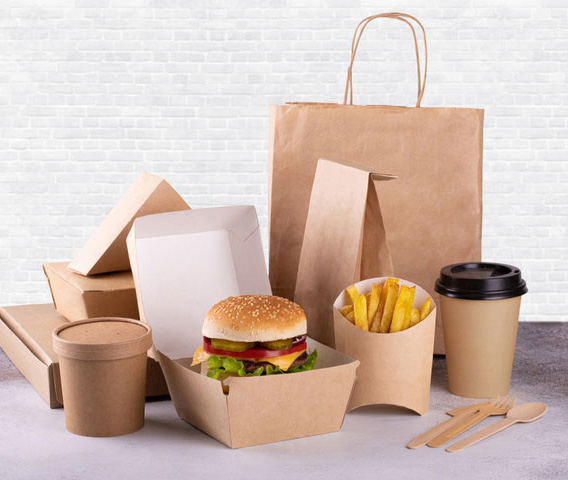
The demand for plant-based materials like bagasse, areca palm, PLA, and kraft paper is soaring. Consumers are drawn to packaging that breaks down naturally, without harming the environment. Compostable garbage bags and food containers are especially popular with takeaway brands and grocery chains.
💡 In 2025, “biodegradable” is no longer enough—it has to be “certified compostable” with visible proof.
2. Minimalism and Less Waste
Too much packaging is a turn-off. Customers now prefer smart, simple, minimal packaging that serves a purpose without the clutter. That means fewer layers, no plastic windows, and no glossy laminations.
Brands that can deliver elegance through simplicity will win attention and loyalty.
3. Clear Labelling and Transparency
It’s not enough to say “eco-friendly.” Consumers expect clear information on:
- What the material is
- How to dispose of it
- Whether it’s home compostable, industrial compostable, or recyclable
Trust is built through transparency—and it starts right on the label.
4. Reusability Where Possible
While single-use items are being replaced, there’s also a rise in reusable packaging models, especially in gourmet food, meal deliveries, and cloud kitchens. Think: glass jars, metal tiffin boxes, or returnable trays.
Forward-thinking brands are already testing out deposit models and reward programs for returning packaging.
5. Aesthetic + Eco = Powerful Branding
Consumers love when sustainable packaging also looks and feels premium. Rustic textures, earthy tones, and matte finishes give a handmade, organic vibe that resonates with today’s food culture.
Packaging is becoming an extension of the dining experience—Instagram-worthy but environmentally friendly.
How Businesses Can Respond
If you’re in the food or hospitality space, now is the time to:
✅ Audit your current packaging
✅ Switch to certified compostable or recyclable options
✅ Clearly communicate disposal instructions
✅ Reduce unnecessary layers or plastics
✅ Consider branded sustainable packaging to stand out
Looking Ahead
Eco packaging is not just a trend—it’s becoming a standard expectation. In 2025, your packaging isn’t just wrapping your food. It’s speaking to your customer’s values, lifestyle, and trust in your brand.
Whether you run a hotel, cloud kitchen, food delivery service, or retail store—eco-friendly packaging is your opportunity to lead.