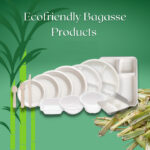
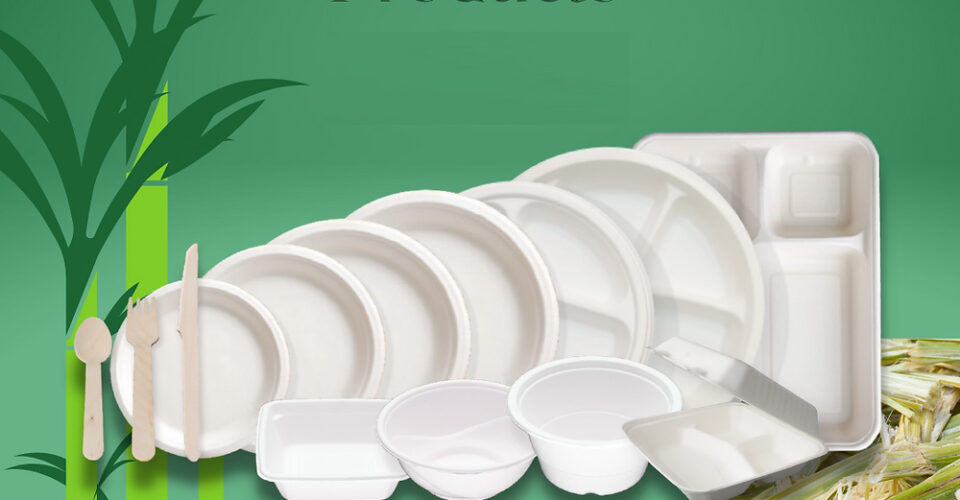
In a world trying to move past plastic, a quiet hero is rising from the fields of harvested sugarcane: Bagasse. Once just a fibrous leftover, this humble agricultural byproduct is now powering a revolution in eco-friendly tableware.
Let’s explore how bagasse is turning waste into something beautifully useful—and why it’s making waves in food service and hospitality around the world.
🌾 What is Bagasse?
Bagasse is the dry, fibrous pulp left behind after juice is extracted from sugarcane. Earlier, it was often discarded or burned as waste. But today, with smarter processes and greener thinking, this residue is being upcycled into compostable plates, bowls, and containers.
It’s sustainable innovation—literally grown from the ground up.
♻️ How Bagasse Tableware is Made
After extracting the juice from sugarcane, the leftover bagasse is cleaned, pulped, and molded into different shapes using heat and pressure—no synthetic additives, no plastic coating.
The result? Sturdy, leak-resistant, microwave-safe tableware that doesn’t just serve food—it serves the planet.
💡 Why Choose Bagasse Over Plastic or Foam?
Let’s break it down:
✅ 100% Biodegradable & Compostable
Bagasse tableware decomposes in 60 to 90 days under industrial composting conditions. No microplastics, no toxic residue—just natural matter returning to the soil.
✅ Heat & Water Resistant
Unlike paper plates that collapse under moisture, or foam trays that melt with heat, bagasse products can hold hot, oily foods without getting soggy. They even work well for soups and gravies.
✅ Food-Safe & Chemical-Free
Bagasse doesn’t require any bleach or toxins in processing. It’s safe for direct food contact, making it ideal for catering, takeaways, and restaurants that prioritize clean, green packaging.
✅ Aesthetic Appeal
Smooth texture, elegant matte finish, and neutral color make bagasse tableware look upscale and minimal—perfect for conscious brands that care about presentation.
🌍 A Sustainable Choice for Every Business
Bagasse tableware is becoming the go-to choice for:
- 🌱 Eco-restaurants & cafés
- 🎉 Event planners & caterers
- 🏨 Hotels & resorts
- 🚚 Food delivery & cloud kitchens
- 🛍️ Exporters & retailers of eco-products
It’s cost-effective, scalable, and increasingly accepted in international markets, especially in the UAE, Europe, USA, and Africa, where single-use plastic bans are becoming stricter.
📈 Bagasse: Not Just Tableware—A Movement
Switching to bagasse isn’t just a product decision. It’s a statement. It tells your customers you care about waste, about the environment, and about the future.
In a time where consumers are demanding transparency and responsibility, small shifts like choosing compostable tableware can build big trust.
🌿 Final Thoughts
Bagasse is a classic example of waste turned into value. It’s local, renewable, and incredibly versatile. As more businesses seek earth-friendly solutions without compromising on quality, bagasse tableware is proving it belongs at every table—from quick service counters to luxury event venues.